
Art as Emotional Experience
The light house: A love storyThis flow traces the novel’s argument that art matters because it carries lived feeling beyond technique and commerce.
increasing Bearing strength in each event
 decreasing
Bearing strength in each eventdecreasingThe Vermeer Encounter
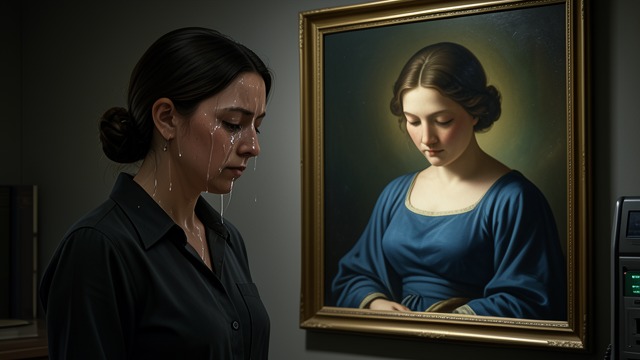
The Vermeer Encounter
Conversion
Connie Dixon weeps before Woman in Blue Reading a Letter at Rijksmuseum.
Recognition
The painting teaches her that art can contain shared human sorrow.
Foundation
That experience becomes the standard by which she recognizes Blake McGrath.
The Living Seascape
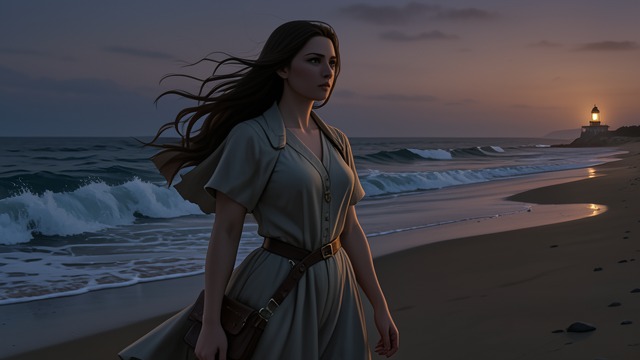
The Living Seascape
Sensation
Connie Dixon experiences a small seascape as if wind, surf, and loneliness were physically present.
Interpretation
She understands that Blake McGrath paints more than accurate appearances.
Theme
Art becomes an encounter rather than a decorative object.
The Composite Method

The Composite Method
Observation
Blake McGrath uses photographs to select a precise natural moment.
Immersion
He then paints outdoors to absorb the emotional force of the elements.
Synthesis
The finished work joins camera evidence with inward response.
The Painted Soul
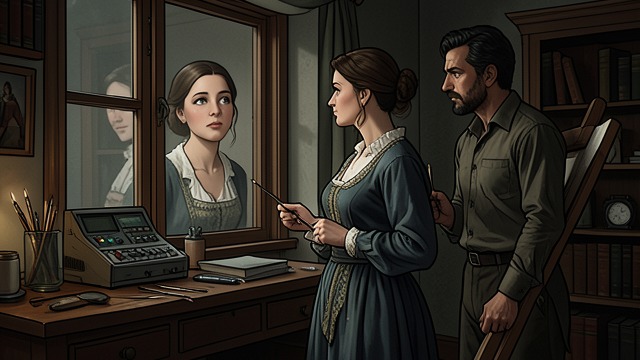
The Painted Soul
Recognition
Connie Dixon sees an image that appears to capture her inner self.
Perspective
Blake McGrath explains that he painted her through adoring eyes.
Consequence
The portrait demonstrates that interpretation can reveal rather than distort identity.
Pure Emotion
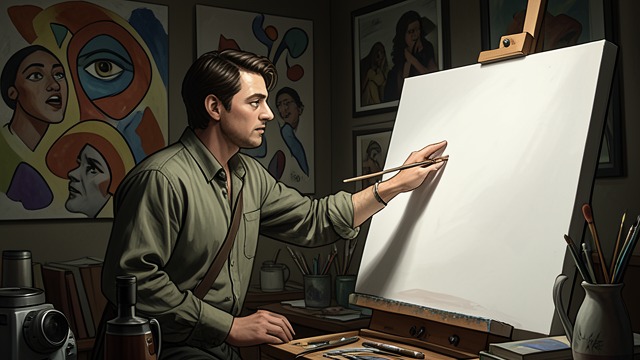
Pure Emotion
Proposal
Blake McGrath announces a future art based on love, loss, hope, and sadness.
Limitation
Blindness removes his former reliance on visible landscapes.
Expansion
Art becomes an attempt to give shapeless feeling an independent form.
Years before the Maine story
At Hoyt Harbor Gallery and Gifts
During Blake McGrath’s studio explanation
When Connie Dixon sees the completed portrait
At the public opening
